Linda’s Monthly Monday Morning Moaning’s for February 5, 2024
The words most used by light keepers in their diaries and letters to describe the existence during their time at lighthouses are “loneliness” and “monotony”. A great deal of a keeper’s life centered on the mundane duties of keeping the station and its equipment clean. Lighthouses were by necessity placed in areas of danger and were in isolated regions. Solitude was part of position. Before the advent of electricity, the lighting device was a lamp. Fuel for illumination ranged from whale oil, lard oil, rapeseed oil, and petroleum products. The wick of the lamp had to be carefully trimmed to produce a strong light and watched constantly throughout the night. This constant attention to wicks led to lighthouse keepers earning the nickname “wickies.’
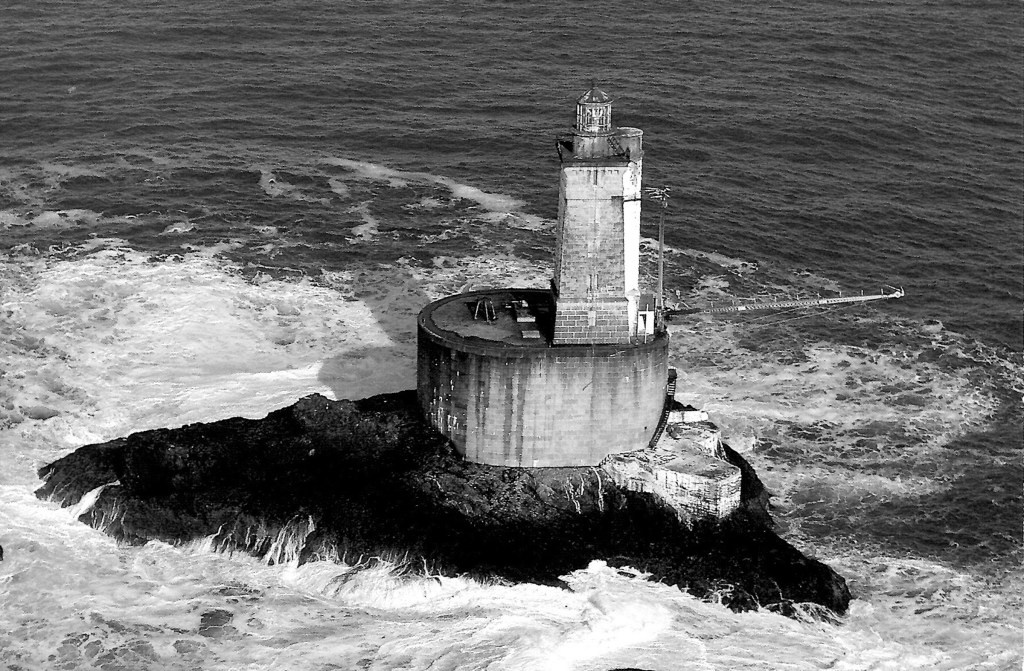
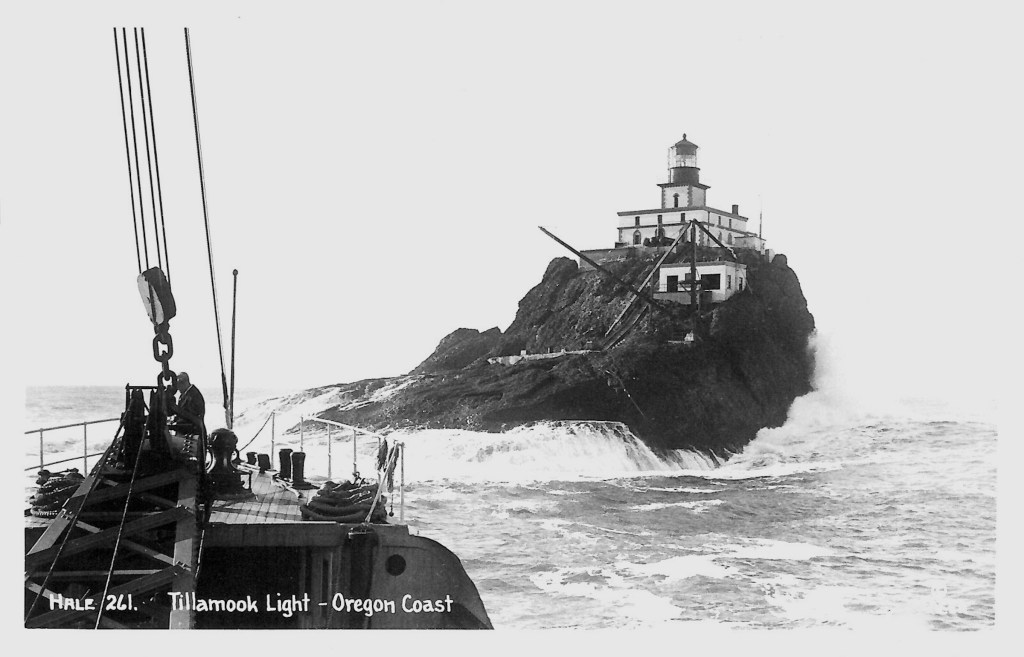
Just two examples of isolated lighthouses on the Pacific coast, would be the St George Lighthouse in California and Tillamook Lighthouse in Oregon. The foundation of St. George Reef Light is a pier in an irregular oval shape, 86 feet in diameter, faced with cut granite and filled with concrete. The tower is also constructed of granite with the smallest block weighing 17 tons. The light stands 144 feet above sea level and was first lit on October 20, 1892. In total, it took an incredible ten long years to successfully complete the project, yet after 97 years St. George Reef Light still stands today. Getting supplies and especially families, out to the light, when they wanted to come or visit was very dangerous. Some of the families lived back on the mainland and their spouses would work three weeks on and a full week off, as an example.
It is noted that lighthouses going back to the 1800’s “at one time or another had female assistant keepers; and a surprising number had women as principal keepers.” This was not, because of an enlightened view on the part of the service. Rather, it was a means of saving money. It was not unusual to have a husband and wife team at a station. Both wives and children helped in running the light. For example, Mary Israel raised four children while assisting her husband at the Old Point
Lorna Light, near San Diego. Juliet Fish, keeper of the Angel Island station, in San Francisco Bay, once manually pounded a fog bell for twenty hours straight when the mechanical striker failed.
Floating Lightships in the form of cutters were used extensively, keeping the men out at sea for extended periods of time. One such time, as in the case of the Golden Gate, the 110 foot cutter built in Seattle in 1896 and arriving in San Francisco on May 13, 1897. The Golden Cate performed law enforcement boardings, towing, helped fumigate vessels, and resupplying in the Bay area. One of her most unusual duties came during the great San Francisco earthquake of 1906. A great deal of the city’s destruction was caused by fires. The men that served on the Golden Gate cutter served as firefighters and transporting officials and refugees. Then, in the middle of their work, the commanding officer of the cutter was given the added responsibility of taking on board the gold reserve from the Federal Bank in San Francisco. The cutter remained a floating bank until the fire danger was over.
On that ‘wee note’ till next month, Monday March 4, 2024.
Courtesy of the United States Coast Guard in the Southwest Pacific, postcard images part of the authors collection.
Thank you for visiting and reading today. Please if you haven’t already, enter your email address in the subscription form below to receive my blog by email on the first Monday of each month. Thank you.
 Linda Osborne Cynowa
Good morning Linda,
<
div>Another REALLY fascinating and informative article. Kind of makes us appreciate our easy lives. The light keepers are another examp
LikeLike