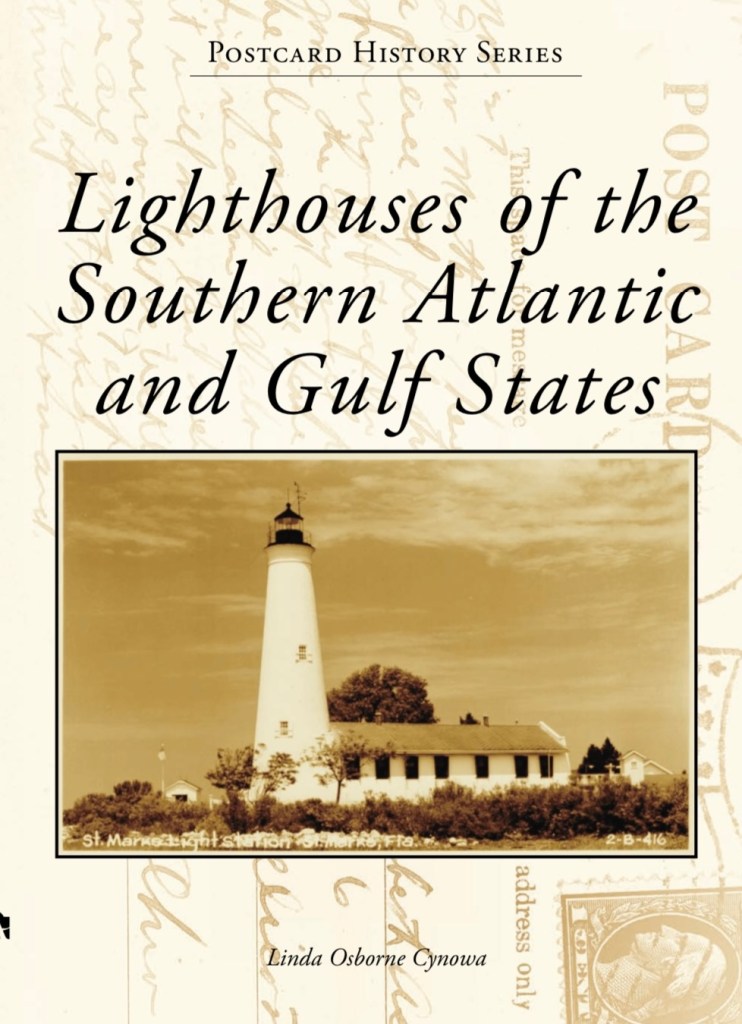
The lighthouses along the Southern Atlantic and Gulf Coast states have a variety of different characteristics than you might find along the Pacific coast, Northern coast or even in the Great Lakes area. The uses of the lighthouses have always been the same, directing mariners, to safe harbors, direct ships away from dangerous reefs and shoals. With their different shapes and styles, some tall and many shorter in stature, they all have a job to do. The states included in the Southern Atlantic and Gulf coast include, Maryland, Virginia, North and South Carolina, Georgia, Florida, Alabama, Mississippi, Louisiana and Texas. These states have different situations to deal with along with the natural maritime concerns, than sometimes the lights elsewhere.
During the Civil War at the early start of the conflict the state of Virginia and the Florida Keys, remained in the hands of the Union. Both Union and Confederate forces would fight to retain control of the more than 160 lighthouses in the southern states. The Union forces wanted control of the lighthouses to help with naval operations and be able to get troops and supplies to the front-line coastal sites. For the Confederate forces, the need to hinder the Union forces became of paramount concern, because of the dangerous night time navigation that took place. Watching the movements of both naval and land forces became important for both sides. The United States Lighthouse Service, did assist the Union effort throughout the war by relighting many of the lighthouse where the lens had been extinguished or removed by the Confederate forces. When the war was over the Lighthouse Service would need ten years to relight and refurbish the hundreds of southern lighthouse to their pre-war condition.
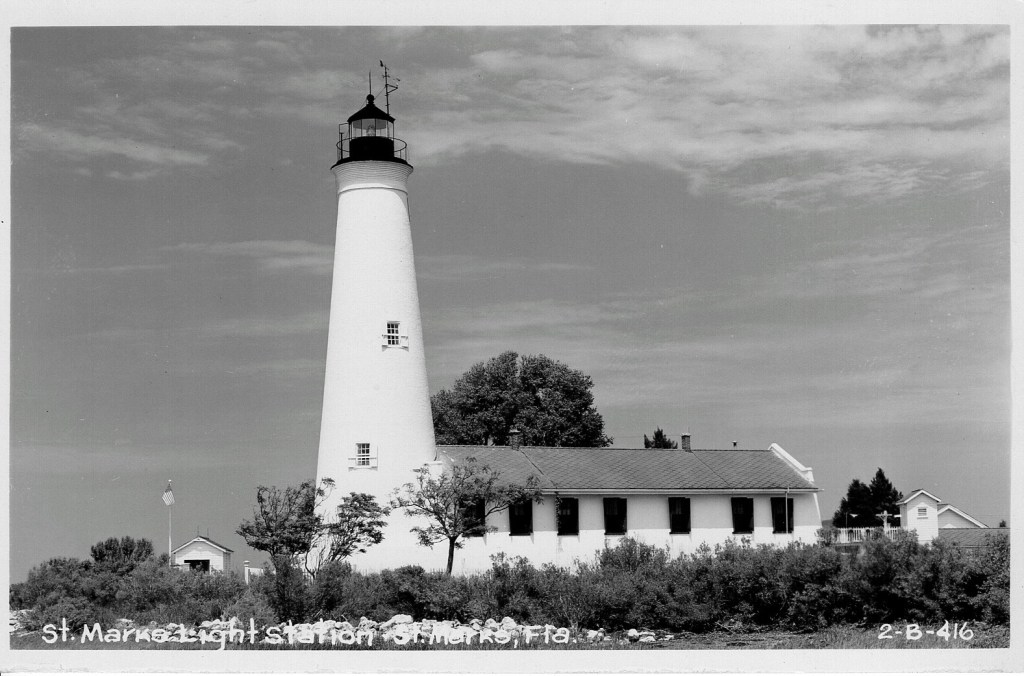
Weather, is always a concern with the prevalence of hurricanes that have hit these areas so frequently over the many years that lighthouse have been in service. Many times the lighthouse have been used to shelter people from the area when the weather turned violent, and often saving many lives. In 1992, Hurricane Andrew eroded a major part of the beach area around the Cape St George Lighthouse, and the Coast Guard in 1994 deactivated the light out of concern for its stability, and then Hurricane Opal struck in 1995 and the tidal surge pull it off its foundation, were it tilted and settled into the sand. By 2005, the lighthouse was surrounded by twenty feet of water from more beach erosion and the lighthouse toppled into the Gulf of Mexico. While over the years many unnamed hurricanes not mentioned here have damaged and brought havoc to the southern and gulf area lighthouses, with Hurricanes Helene and Milton in 2024 just being the latest, the lighthouses will still stand and continue to do the job they were built for, even when the weather changes again, and it’s pathways head toward them.

With the erosion of the surrounding land, and with the continual concerns for the weather issues, such as hurricanes and flooding, these lighthouses are constantly subjected to nature’s fury. It is the good fortune that many lighthouses are now under the protection of the National Register of Historic Places, and the many Societies and Associations that have taken these lighthouses under their protection and continue to keep them as safe for future generations to learn about this maritime history.

 Linda Osborne Cynowa