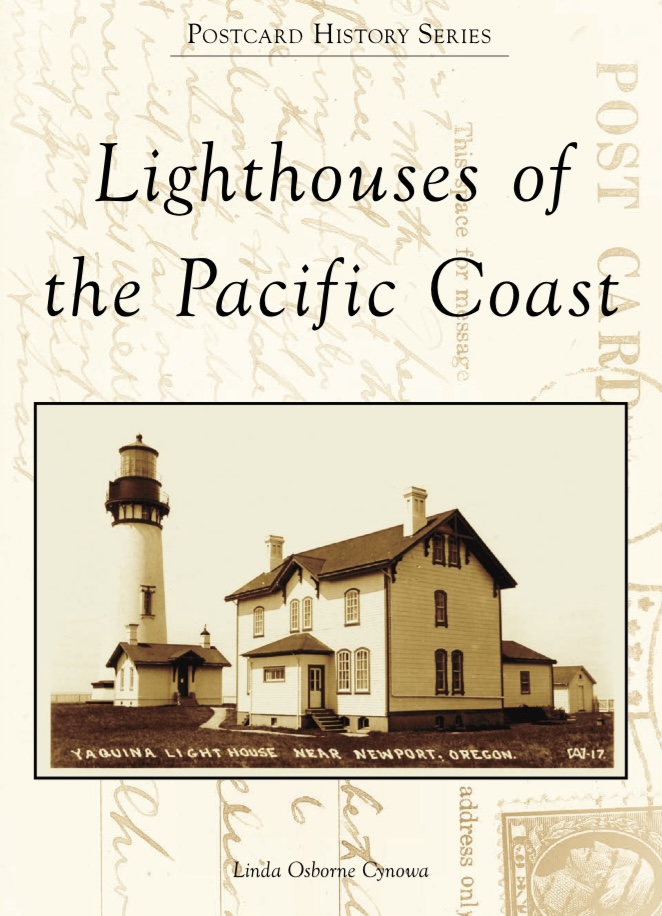
As previously mentioned in Lighthouse of the Great Lakes and Lighthouses of the North Atlantic Coast, lighthouses are towers or structures used to display a light for guiding maritime shipping. Used to help guide and avoid dangerous areas, shoals and reefs or to use find a safe harbor. The height of the tower and the intensity of the light will determine the distance the light can be seen out to sea. The lighthouse can be used, by how it’s painted to distinguish it from other lights in the area, this being called it’s daymark.
During times when the sea and wind, become at the most violet, the lighthouses provide the early warnings of the dangerous obstacles, such as submerged rocks, unseen cliffs and even sandbars. This is much the same whether the lighthouse is on the Pacific Coast, the Great Lakes or the Atlantic Coast, their main objective has always been the same. On August 7, 1789 the federal government established the United States Lighthouse Service, giving it responsibility for all aids to navigation and lighthouses. U.S. Revenue Cutter Service, established in 1790 by Alexander Hamilton, the first Secretary of the Treasury, the service was formed to stop the loss of badly needed revenue by sea-going smugglers.

Congress, realizing that aids to navigation were essential to maritime trade and the development of the West, authorized in 1848 the establishment of lighthouses along the Pacific coast. The problem at the time was most of the Pacific coastline had not been explored. The federal government decided that an exploratory survey be undertaken to find the most advantages sites to build these lighthouses. It wouldn’t be until 1849 when this survey was conducted.

In 1852, Congress created a nine-member Lighthouse Board to oversee all the services operations, and improve and revise where needed the entire system. Congress authorized the first group of lights in California at Fort Point, Fort Bonita, Alcatraz Island, Point Pinos, Point Lorna, Santa Barbara, Point Conception, the Farallon Islands, Humboldt Harbor, and Crescent City. Between 1852 and 1858, sixteen lights were erected in what today is California, Oregon, and Washington.
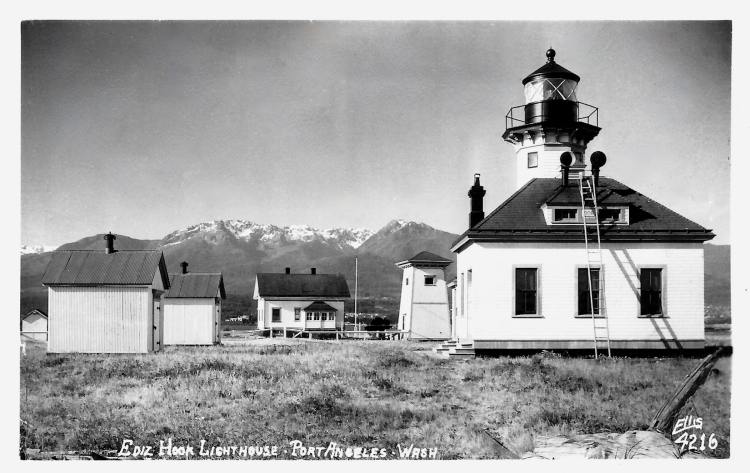
Floating Lightships were of very important use as in the case of the Golden Gate, the 110 foot cutter was built in Seattle in 1896 and arrived in San Francisco on May 13, 1897. The Golden Cate performed law enforcement boardings, towing, helped fumigate vessels, in the Bay area. One of her most unusual duties came during the great San Francisco earthquake of 1906. A great deal of the city’s destruction was caused by fires. The men that served on the Golden Gate cutter served as firefighters and transporting officials and refugees. Then, in the middle of their work, the commanding officer of the cutter was given the added responsibility of taking on board the gold reserve from the Federal Bank in San Francisco. The cutter remained a floating bank until the fire danger was over.

On January 15, 1915 the Congress created the United States Coast Guard by merging the United State Revenue Cutter Service and the United States Life Saving Service. This would go on to have a great impact on lighthouses all over the country.
Arcadia Publishing, Amazon, Barnes & Noble, or purchase an autographed copy from the author.
 Linda Osborne Cynowa