‘Lighthouses of the Pacific Coast’ Book Cover

Linda’s Monthly Monday Morning Moanings for January 1, 2024

HAPPY NEW YEAR 2024

This has been a great way to start the first day of the new year. Although, I have been talking about the latest book I have been working on, this is the first time I have had to highlight the new cover that Arcadia Publishing has designed for me. On the cover Yaquina Lighthouse in Oregon, or as it has been known, over the years, Cape Foulweather, due to the elements that created the need for this and the many other light houses on the Pacific Coast when maritime navigation depended on these lights and the brave keepers that manned them.

This is the third lighthouse book out of a series of four to be published on the lighthouses around the coast line of the United States, including the Great Lakes. I have tried to gather as many vintage postcards of the various lights as I have been able to find. Some come very easy, some not so much! Finding interesting postcards and unusual cards has been my goal, to show what all these lights looked like when they were used to guide maritime navigation through some of the most treacherous waters there are. I have found that in the different areas of our country where you are situated will have a great impact on what type of lighthouse you become familiar with. In Alaska, cement built Art Deco lighthouses where the fog signal building and tower are all in one, were the keepers residences are usually separate, are very common. You will see in Washington and Oregon the tall towers and separate keepers residences similar to the east coast lights. California has a variety of designs that have been used for their lighthouses. Many are a schoolhouse design with the light tower rising from the middle of the roof line. In Hawaii we are back to the concrete built lights, obviously to make them as indestructible as possible from the elements.

EPSON MFP image

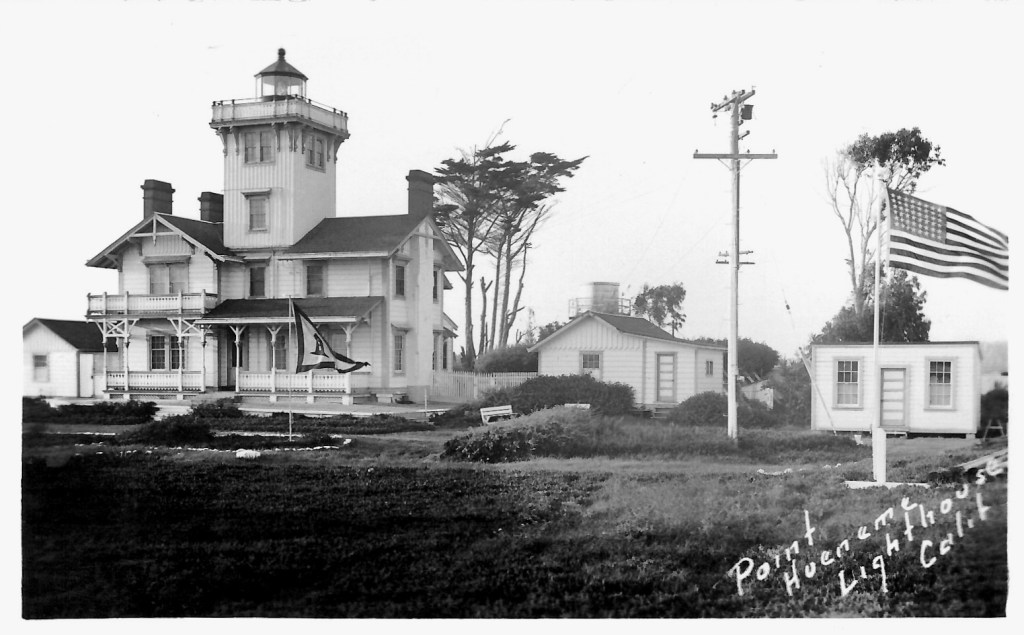
Point Hueneme Lighthouse in California is an example of the lighthouse keepers residence and the light tower as used together, this a Victorian Italianate style. Because of its unusual character I have used this on the back cover of the Pacific Coast lights.

This edition will be published this summer of 2024 by Arcadia Publishing. So now it’s back to the research, writing and gathering the images needed for an early March handover to the publishers.

On that ‘wee note’, till next month Monday February 5, 2024.


Thank you for visiting and reading today. Please if you haven’t already, enter your email address in the subscription form below to receive my blog by email on the first Monday of each month. Thank you.

‘Romeo Observer Christmas’

Linda’s Monthly Monday Morning Moaning’s for December 4, 2023

This is a repeat of a blog from Christmas of 2020. I felt it was well worth posting the information yet again for any newer blog readers who might not have seen this article from that point in time.

With this being the Christmas season, my thoughts turned to a wonderful and surprising find from when I first started researching the many historical homes in the Village of Romeo. While looking through the Romeo Observer newspapers once again for an obituary or article I was needing, I was handling an unbound set of these fragile and delicate papers, when on this particular search, I saw a touch of bright color coming from down deep in the archival box that was holding these papers.

My curiosity was peaked, and when removing the top papers, this wonderful unfaded image was looking back at me, with a printing date of December 20, 1916! Color was extremely rare throughout these papers, so the beauty of this artwork was just remarkable. Edwin King seems to have been the artist, it is not known to me if he was a local artist in the Romeo area or not. But he did some lovely work, and it’s nice to know it will be preserved. These copies are so fragile even using gloves, lifting them up is a very delicate process when using them. The image below shows them sitting in the tissue padded archival box that is used to protect the unbound copies.

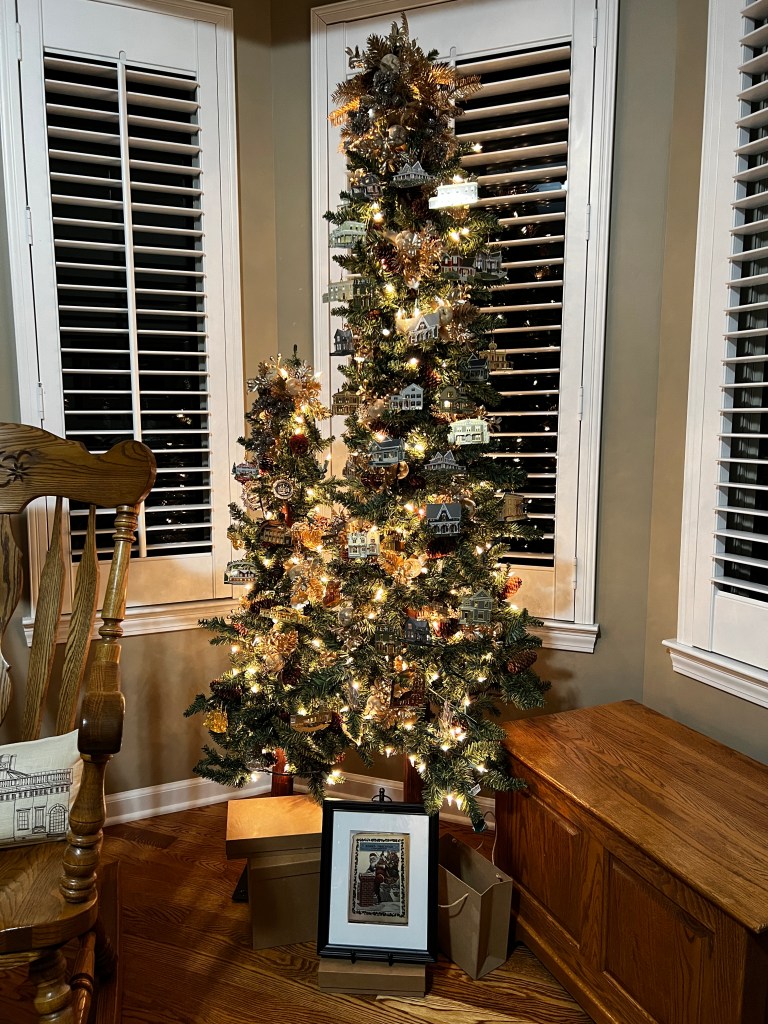
I have a copy of the image now in a frame, where it sits under a Christmas tree, filled with the Romeo Historic Homes ornaments that the Romeo Historical Society puts out each year since 1997. The tree sits in the den where I work on my books and is a constant reminder of the fortunate situation and opportunity I had with being able to research these lovely historic homes and these historic newspapers from the past.

Much to my disappointment I was never able to come across another image such as this one, and it was not from a lack of trying. Although there are many bound editions of the Observers held by the archives, there are many that are individual paper sections that have not been bound because of the quality of the paper used at the time years ago and are in a very precarious state, but being kept safe in the hands of the archivists at the library.

Courtesy of the Melvin E and Joan D Bleich Collection of the Romeo Observer Newspapers at the Romeo Community Archives, Romeo District Library.


Thank you for visiting and reading today. Be sure to tell your friends. If you haven’t already, please enter your email address in the form below to receive my stories by email.

‘Lighthouses of the Pacific Coast’

Linda’s Monthly Monday Morning Moaning’s for November 6, 2023

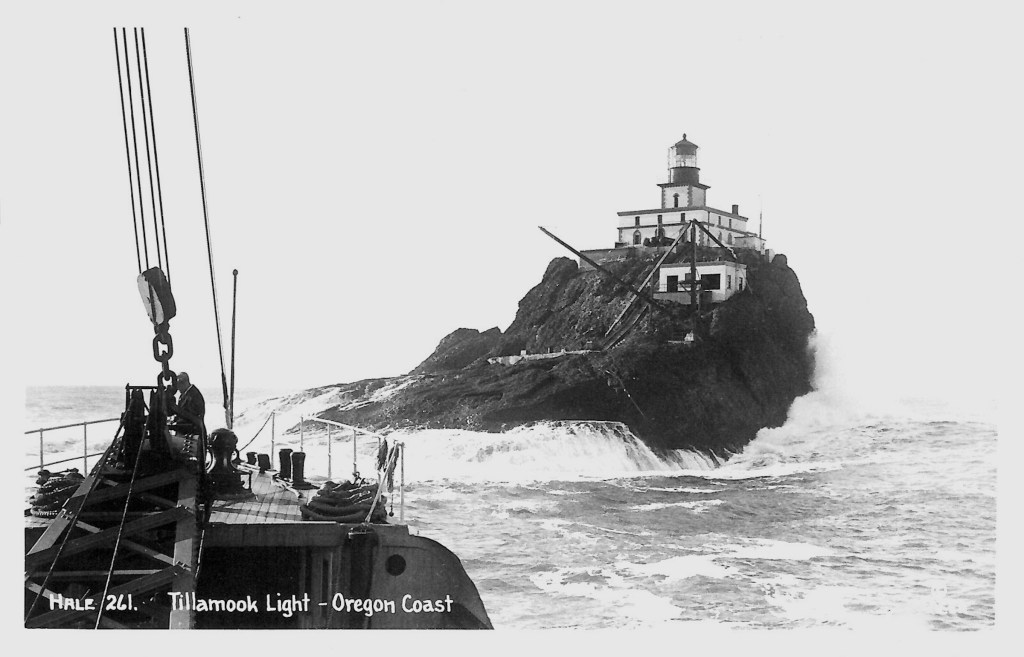
With the summer launch of ‘Lighthouses of the North Atlantic Coast’, it was time to move on with my next venture on the Pacific Coast. This will be the third of what I hope to be four books on the Great Lakes and Coastal lights in the United States. The states within this edition will cover Alaska, Washington, Oregon, California and Hawaii. With the research needed to learn about the different lighthouses, I have found the styles change depending on what area they are in the country. In Alaska, most are of an Art Deco style often constructed from concrete, in Hawaii you are more likely to see what is called ‘minor’ lights, like a navigational lights, not the large towers most often seen else where. On the Pacific coast, the Fresnel lens are larger and brighter than those used on our Great Lakes lights. This book will be expected at the publisher in March, with a summer 2024 publication date.

EPSON MFP image

Above, Yaquina Lighthouse or also called Cape Foulweather by many mariners over the years.

EPSON MFP image

Above, Point Hueneme Light Station, in California, flying a flag with only 48 stars.

EPSON MFP image

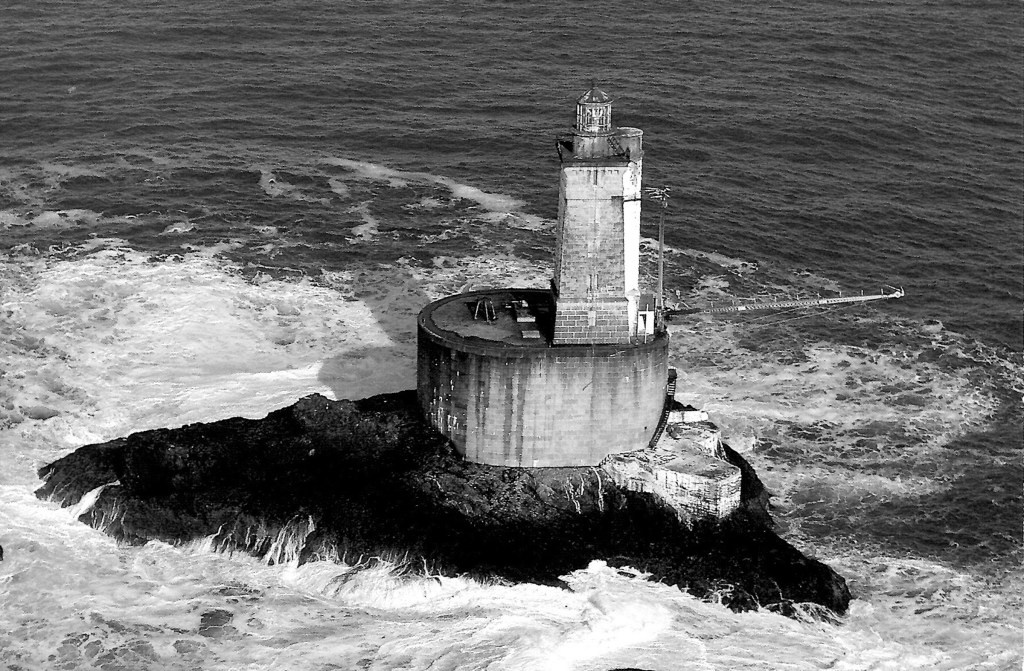
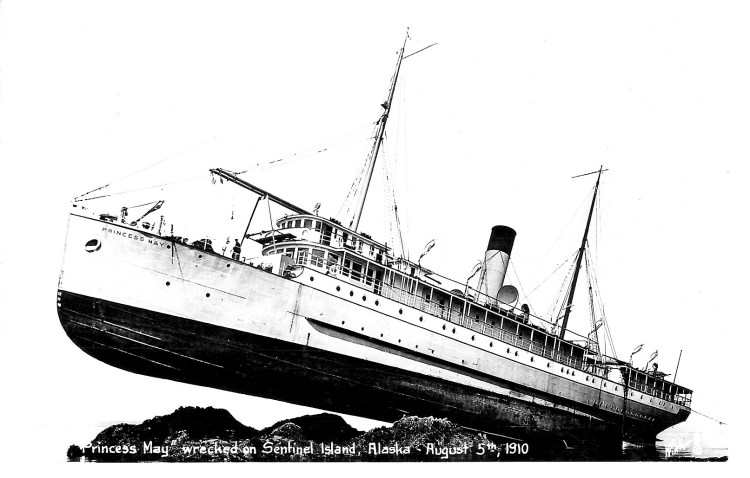
Above, Sentinel Island Lighthouse, Juneau. In August 5, 1910, the Princess May departed Skagway, Alaska, with 80 passengers and 68 crew and a shipment of gold. The ship was steaming down the Lynn Canal at 12 knots under heavy fog in the command of Captain John McLeo, when it stuck the rocks near the north end of Sentinel Island early in the morning. It was high tide and the momentum of the ship forced it well up onto the rocks, with the bow jutting upward at an angle of 23 degrees. No lives were lost, thanks to the Sentinel Island lighthouse keepers help.

EPSON MFP imag

Above, the Aloha Tower in Honolulu Hawaii. Most often used as a Customs House for all visitors coming to the islands.

The research and writing continues. On that ‘wee note’ till Monday December 4th, 2023.


Thank you for visiting and reading today. Be sure to tell your friends. If you haven’t already please enter your email address in the form below to receive my stories by email.

‘Sanibel Island Lighthouse’

Linda’s Monthly Monday Morning Moaning’s for October 2, 2023

The “big ones” that hit near Southwest Florida were Donna 1960, Charley 2004, Wilma 2005, Irma 2017, and Ian 2022, not even counting the hurricanes that happened before they started giving them names, which puts in doubt the “every ten years” myth.

Created in a metal factory in New Jersey in 1883. Loaded on a ship which ultimately sunk two miles from Sanibel. Salvaged from the bottom of the Gulf of Mexico by a crew of hard hat divers from Key West it would be lit for the first time on August 20th, 1884, the historic Sanibel Lighthouse became one of the first lighthouses on the Gulf Coast. Image below circa 1941.

The Sanibel Lighthouse is located on the eastern end of the 12-mile long island. The idea to build the Lighthouse was first proposed by some of the settlers of the island in 1833, when they petitioned for one to be built. Along the way there were other recommendations for a lighthouse to be built. After the Civil War, there was a request made with the idea that it would cause an increase in trade, and travelers would be able to find the Island more easily. However, no real action was taken until 1883 when Sanibel finally received that $50,000 they needed to fund construction. The building of the Lighthouse finally started in February of 1884. Although they faced complications along the way, in only a few short months the Lighthouse was finally completed. It was first lit on August 20th, 1884 with kerosene oil. In order to get to the top of the Lighthouse, the lighthouse keeper had to walk up an external spiral staircase.

The original keeper was Dudley Richardson, who was the keeper from 1884-1892. In 1888, Henry Shanahan moved to the Island and became the assistant to the keeper. After Richardson retired, Shanahan applied for the role as keeper, and eventually was given that position. Along the way there were other people who lived on the island who took over the job. In 1946, a Coast Guardsman by the name of Bob England took over the job. A hurricane had hit the Island while he was keeper and it caused a lot of erosion to the Lighthouse. Due to the fact that there was so much erosion it was decided that the Lighthouse would become automated. England’s job as keeper was discontinued when the Lighthouse became officially automated in 1949.

Sanibel Island Lighthouse after the 1947 hurricane (postcard)

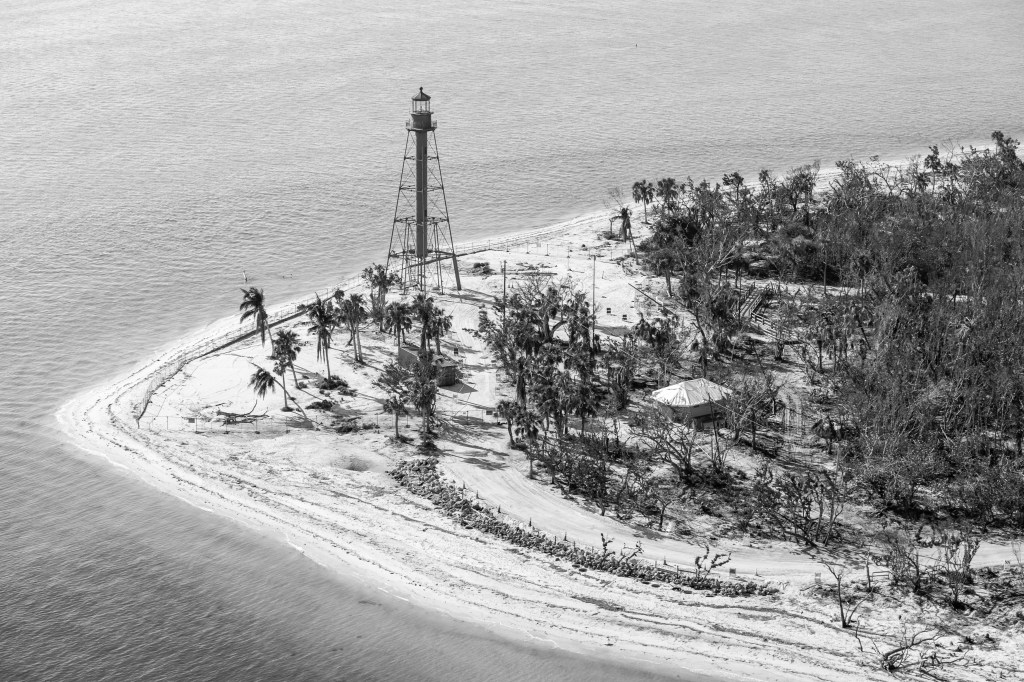
In 1972, the Coast Guard had proposed to discontinue the running of the Lighthouse, however mariners and people that lived on the Island had opposing ideas. They ended up convincing them not to move forward. In 1982, people were able to live in the development by the Lighthouse for free in exchange for helping to maintain the area around it. After being owned by the Coast Guard, the Lighthouse was finally given to the City of Sanibel in 2004. The City had raised money to fix up the Lighthouse, and in 2013 they finally raised enough money to restore the building. Hurricane Ian in 2022, would finally finish the job of removing the keepers and out buildings supporting the light. A supporting leg on the light was blown away, but a repair was enabled and the light tower itself, saved once again. Images below, circa 2023.

Many thanks to the United States Coast Guard for their images, Sanibel Island Holliday info, Florida Memory info, 1947 vintage Sanibel Island Light postcard part of the authors collection.

On that ‘wee note’ till next time, Monday November 6, 2023.


Thank you for visiting and reading today. Be sure to tell your friends. If you haven’t already please enter your email address in the form below to receive my stories by email.

‘Collecting Your Passions’

Linda’s Monthly Monday Morning Mornings for September 4, 2023

What is your collecting passions?

We all know someone who loves collecting, something. Whether it’s pottery, books (me), stamps, coins or even comic books. I have always loved anything to do with photography, new images or old vintage images, which lead me to having a look at vintage postcards and narrowing that down to a love of lighthouses and then you have a lighthouse postcard addict! When it comes to collecting postcards, there is something for every taste, from vintage or modern images, cartoons, graphics, and just fun stuff, etc. I have learned in the past few years, while working on my last two books for Arcadia Publishing in their Postcard History Series the many ups and downs of collecting and bidding in auctions.

A bit about the origin of postcards in general:

The Postal Act of May 19, 1898: This act provided for the extensive private product of postcards to measure 3.25 by 5.5 inches. Messages could only be written on the front. The back was reserved “exclusively for the address”. After March 1, 1907, the law specified that messages could be written on the backs of cards. Cards of this new style were call ‘divided back’ because of the vertical line, to the left of which a message could be written, with the address on the right. “Undivided back” cards remained in the inventories of shops for many years, now they are very collectable.

Front of pre-1907 postcard
Reverse address side

Ebay is a wonderful place to find additions to your collections. I use eBay when searching for my lighthouses that I will need for my books, even as I more forward. As is usual there are things you must look out for when looking for the ‘vintage’ postcards, I am not so sure on other collections as they might be harder to ‘copy’ than postcards are. When I first started, I would get so excited to ‘find’ that rare hard to find card, and hit purchase immediately! Only to find I had purchased a copy of an original, which holds next to no value. Not that is the only reason for the purchase, but copies when scanned as I do to use in a book, are not very good when they are 2nd and 3rd generation prints, no matter how good the scanner. Bottom line, on eBay as with a lot of situations there may not be all honest people you will be dealing with, in the world of commerce. ALWAYS read carefully so you don’t come up short on what you are bidding on or purchasing. Then you will get what you want and not the frustration when you don’t.

I have found that in the case of postcard collection, and I am sure this can also be used in collecting pretty much any other item, you will find that one special super piece, the best you could ever find! When only a short time later to have an even better special super piece come available and this will do even better for what you want. This has happened many times. So when you tell yourself you only need two, and even up with four, it’s because there will always be a better one out there that you have to have! I believe that might be where the ‘addict’ part comes in? Good luck on what ever is your passion, but be aware of what you are honing in on.

On that ‘wee note’, till next month Monday October 2, 2023.


Thank you for visiting and reading today. Please be sure to share with your friends, using the share button and if you haven’t already, please enter your email address in the subscription form below to receive my stories by mail.